
Last Updated on July 25, 2026 by Amaris Sylva
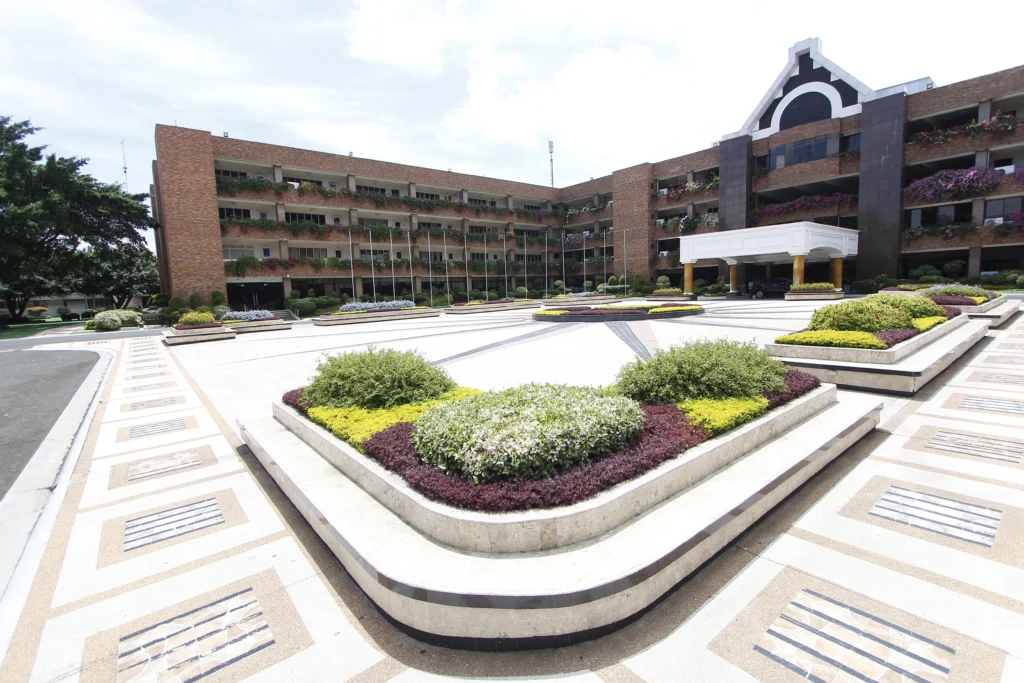
There are thousands of universities around the world. Many proudly showcase impressive campuses, advanced laboratories, distinguished faculty, or decades—even centuries—of academic tradition. These are worthy accomplishments. Yet every once in a while, an institution emerges whose identity is defined not merely by what it owns, but by why it exists.
In the southern Philippines, in the vibrant city of Davao, stands an educational institution whose story is rooted not in corporate ambition or institutional expansion, but in a deeply human conviction—that education remains one of the most powerful instruments for transforming lives.
That institution is Jose Maria College Foundation, Inc. (JMCFI).
Its story deserves to be told not because it claims perfection, but because it reflects an enduring belief shared by educators across the world: that every child, regardless of circumstance, deserves an opportunity to build a better future through learning.
More Than a School
Educational institutions are often measured by enrollment figures, licensure examination results, research outputs, or international rankings. While these indicators are important, they rarely capture the soul of an institution.
Every institution possesses an invisible foundation—a philosophy that quietly shapes every classroom, every policy, every graduate, and every decision made within its walls.
For Jose Maria College Foundation, that foundation can be traced to a simple yet profound promise made by its Founding President, Rev. Pastor Dr. Apollo C. Quiboloy.
He envisioned a school that would help people rise above poverty through education. His message describes the institution not merely as a center for learning, but as “a beacon of hope and opportunity,” founded upon the conviction that education can illuminate paths that poverty often obscures.
Across disciplines, cultures, and ideologies, the vision converges on a principle that has shaped societies throughout history: education is not simply the transmission of knowledge—it is the creation of opportunity, dignity, and the freedom to shape one’s own future.
When Education Becomes Social Transformation
Around the globe, discussions about education increasingly focus on employability, innovation, digital transformation, and competitiveness. These are legitimate priorities for modern universities.
Yet another question deserves equal attention.
Can education transform communities?
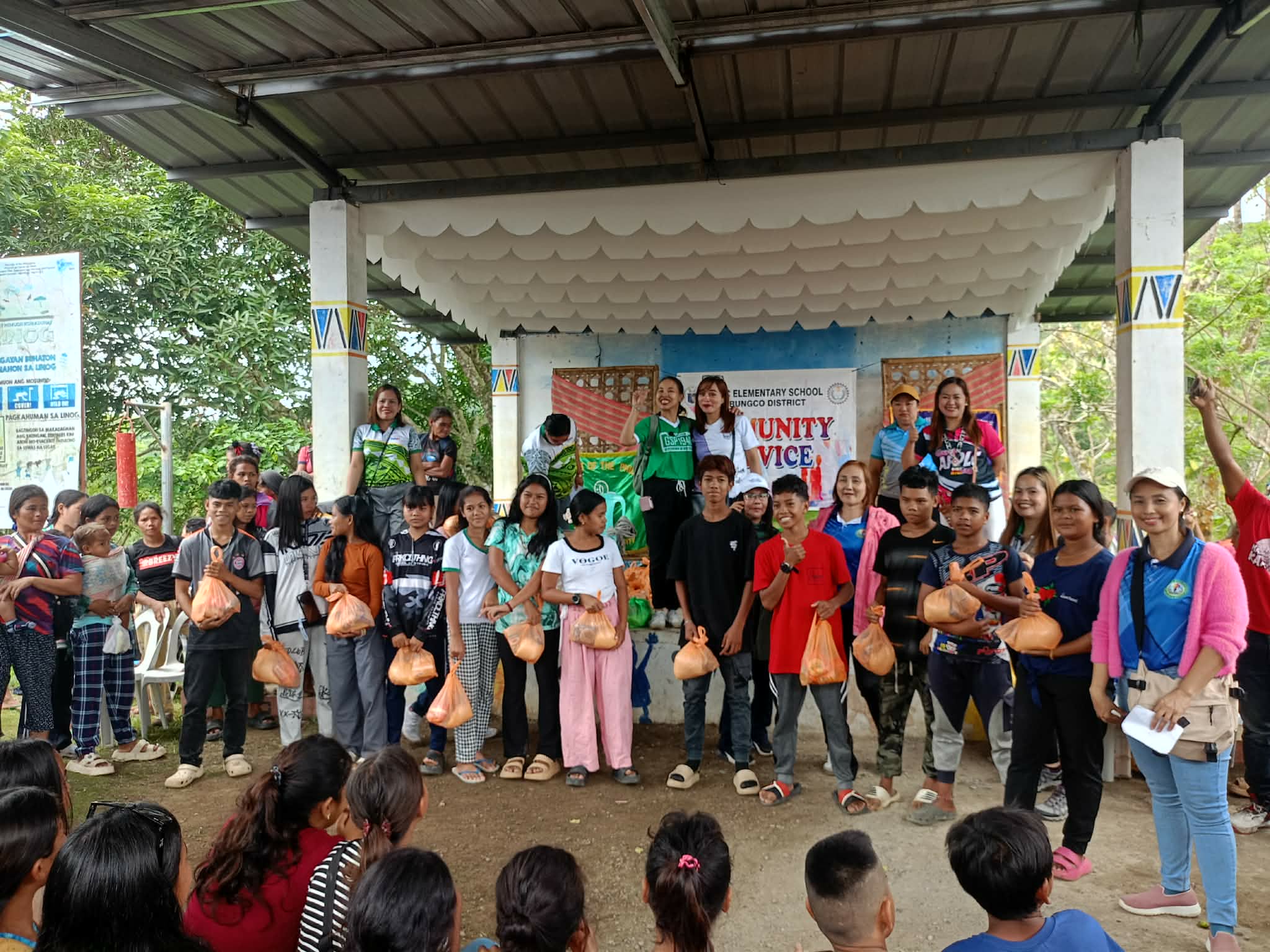
Jose Maria College Foundation answers this question by positioning education as both an academic pursuit and a social responsibility.
Its philosophy recognizes that knowledge is not an end in itself. Knowledge acquires its highest value when it enables graduates to become productive citizens, ethical professionals, compassionate leaders, and active contributors to nation-building.
This philosophy is reflected throughout the institution’s Vision, Mission, Goals, and Core Values, which consistently emphasize global competence alongside integrity, accountability, respect, empowerment, spirituality, justice, and action-oriented leadership.
These values do not merely decorate institutional documents.
They establish expectations for the kind of graduates the institution seeks to develop.
A Story of Continuous Growth
The history of JMCFI mirrors the aspirations of many developing educational institutions.
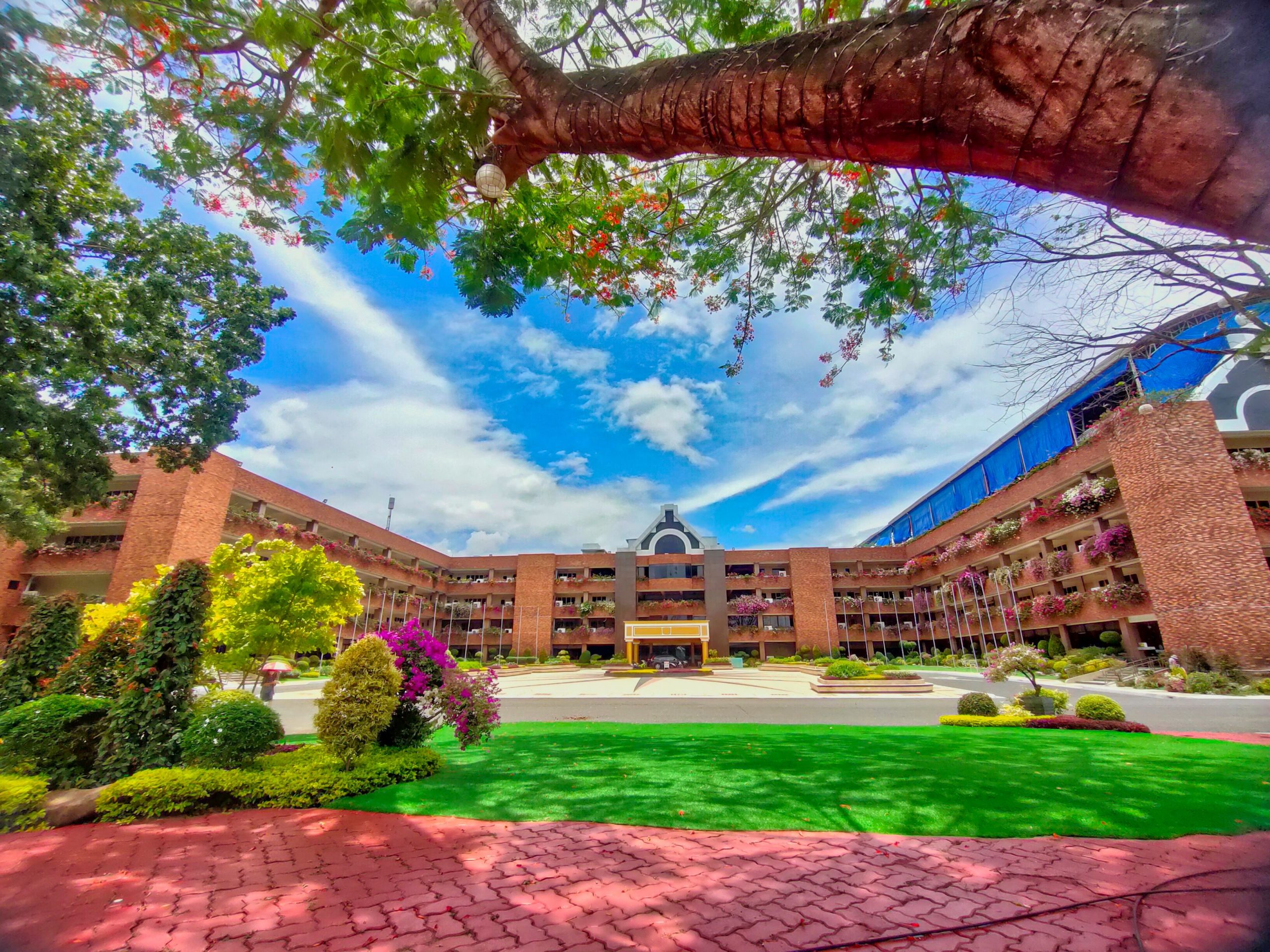
Beginning in 2002 as Jose Maria Academy serving preschool and elementary learners, the institution steadily expanded its educational offerings. Within a few years, it evolved into Jose Maria College, eventually becoming Jose Maria College Foundation, Inc. after its corporate renaming in 2019. Throughout this journey, new academic programs were introduced in education, engineering, business, information technology, psychology, criminology, theology, communication, health sciences, law, medicine, and many other disciplines.
Its expansion reflects more than institutional growth.
It reflects responsiveness.
As society’s needs changed, the institution sought to prepare graduates capable of serving those emerging demands.
Teacher education responded to the country’s educational needs. Engineering programs supported infrastructure development. Medical and allied health sciences prepared future healthcare professionals. Law education contributed to strengthening legal institutions. Agriculture, tourism, entrepreneurship, and technology programs reflected evolving national priorities.
This diversity of disciplines illustrates an important principle: educational institutions become relevant when they grow alongside the communities they serve.
Education That Forms the Whole Person
Modern educational research increasingly recognizes that intellectual achievement alone is insufficient.
Students must also develop communication skills, ethical judgment, emotional intelligence, cultural sensitivity, collaboration, creativity, resilience, and civic responsibility.
Long before these concepts became common language in educational discourse, many institutions—including JMCFI—were already emphasizing holistic formation.
The institution’s educational philosophy seeks not only academic excellence but also character development.
Its student programs encourage leadership, volunteerism, research, journalism, athletics, community extension, and cultural participation.
Recognition systems reward not only academic honors but also outstanding leadership, research excellence, campus journalism, athletics, community involvement, and service.
Such initiatives communicate an important message to students: Success is measured not only by grades, but also by the positive influence one creates within society.
Learning Beyond the Classroom
One remarkable feature of education is that its greatest lessons often occur outside formal lectures.
Student organizations become laboratories of democracy.
Research projects cultivate curiosity. Community extension programs nurture empathy. Campus journalism strengthens truth-seeking.
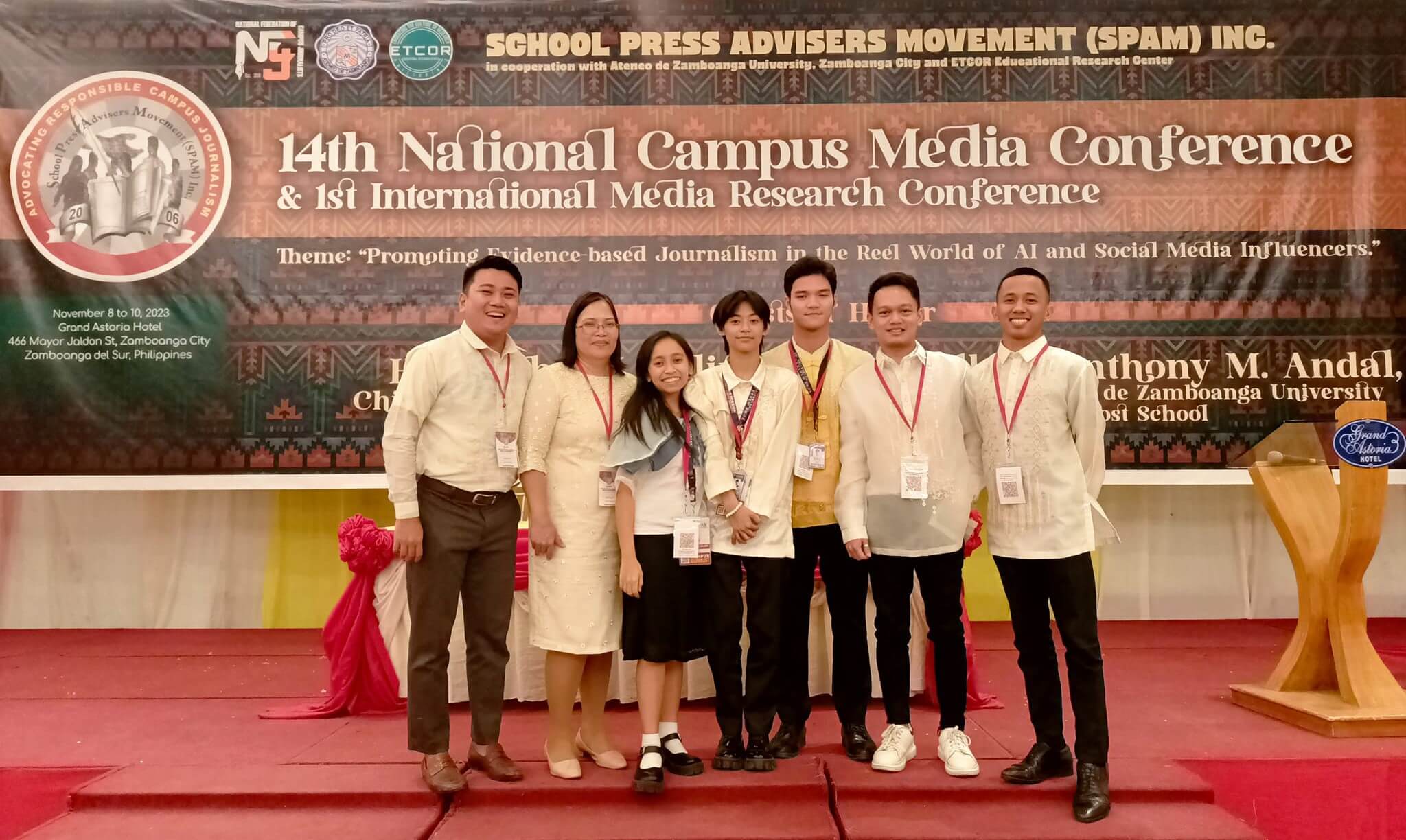
Leadership positions develop accountability. Volunteer work cultivates compassion. Athletics teach perseverance.
These experiences produce graduates who understand that education is not simply about acquiring credentials.
It is about becoming responsible citizens capable of improving the lives of others.
Across its educational initiatives, leadership programs, and community engagement activities, Jose Maria College Foundation continues to invest in this broader understanding of education—one that prepares students not only for careers but also for citizenship.
The Quiet Power of Community
Perhaps one of the least celebrated contributions of educational institutions lies beyond graduation ceremonies.
Their greatest impact is often invisible.
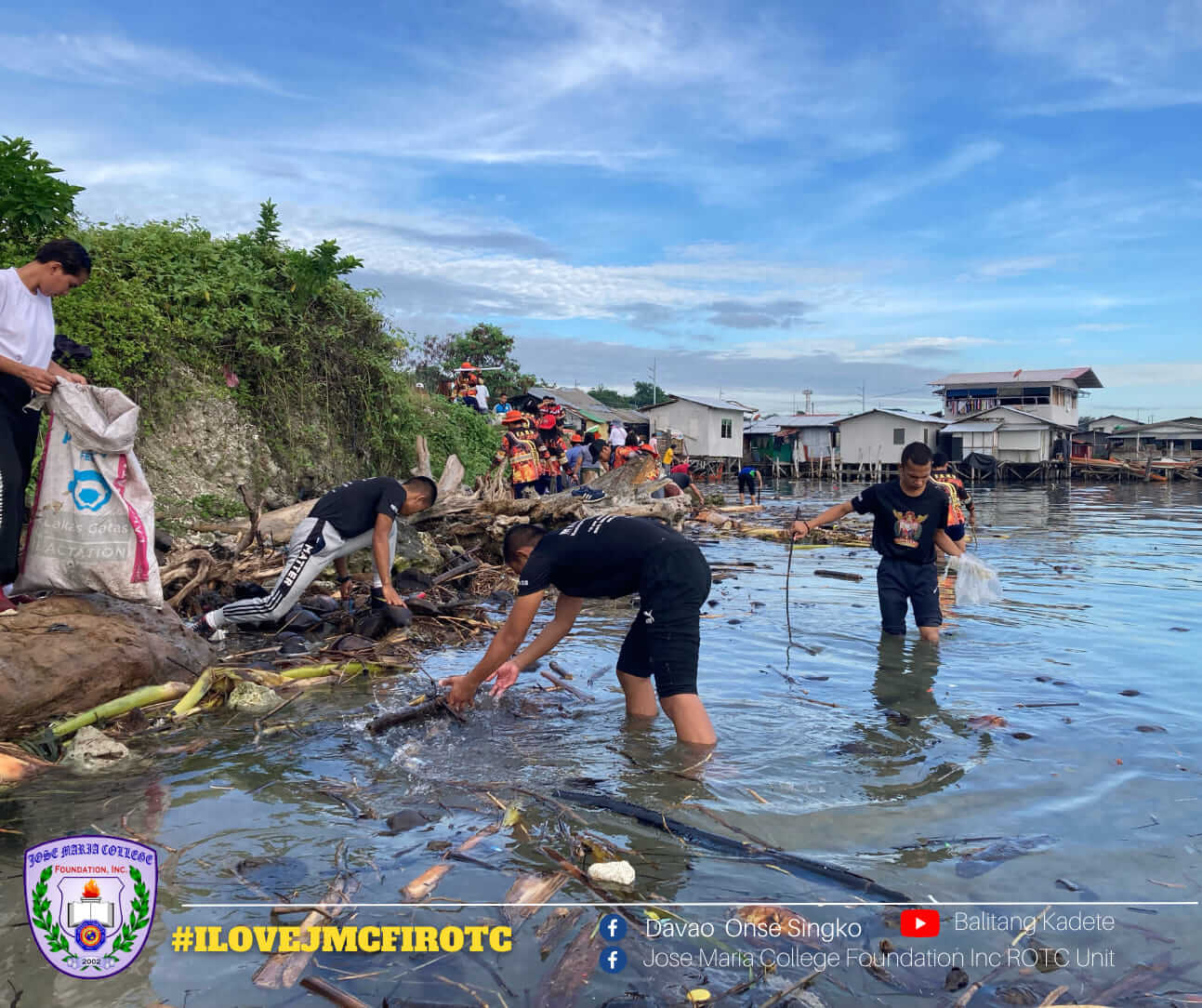
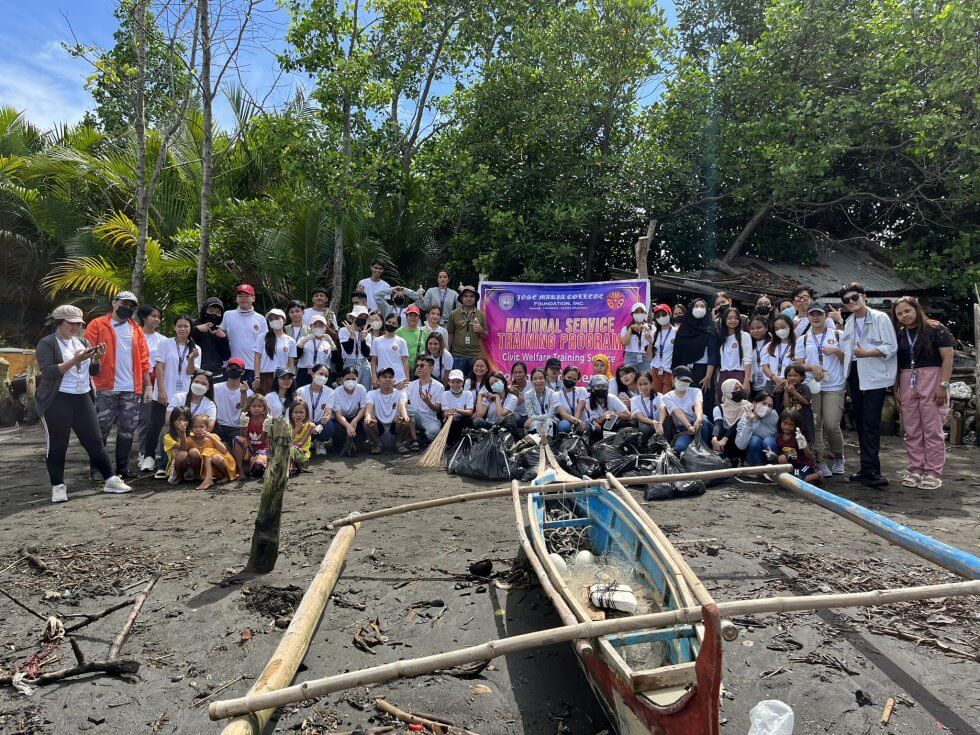
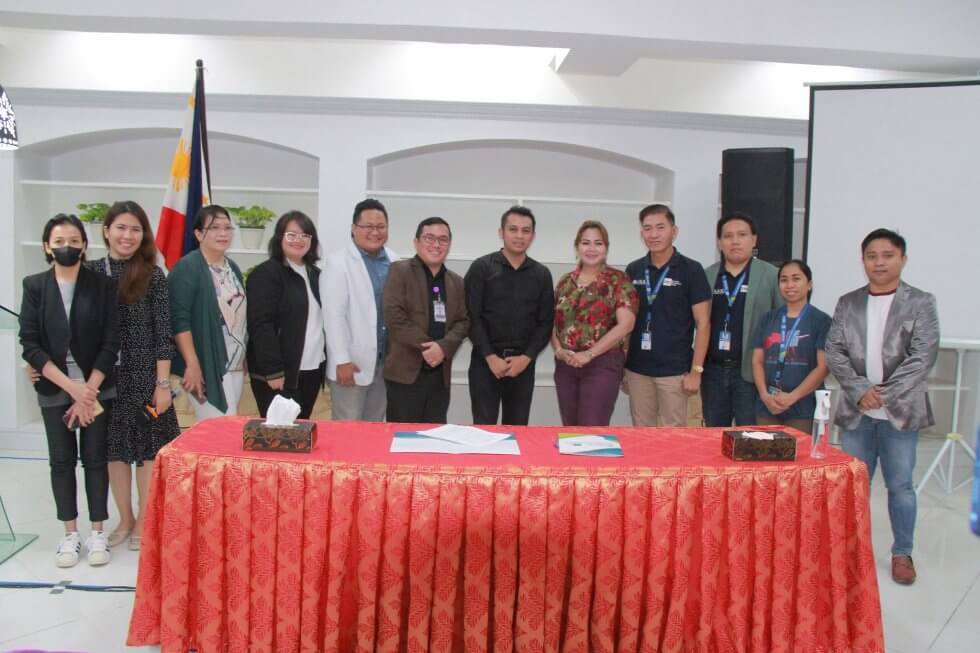
It can be found in classrooms where graduates teach children. In hospitals where healthcare professionals save lives. In engineering projects that improve communities. In businesses that create employment. In social work that restores dignity. In journalists who pursue truth. In lawyers who defend justice. In researchers whose discoveries improve society.
Educational institutions rarely witness the full ripple effects of the graduates they produce.
Yet those ripples extend across generations. Every educated child eventually influences a family. Every ethical professional shapes an organization. Every responsible leader transforms a community.
Education multiplies itself in ways statistics alone cannot fully measure.
Remaining Faithful During Difficult Seasons
Every educational institution experiences seasons of uncertainty.
Economic pressures, changing educational landscapes, regulatory challenges, demographic shifts, and unforeseen crises test the resilience of institutions across the world.
Institutions are not defined solely by the absence of adversity.
They are equally defined by their capacity to remain committed to their educational mission despite adversity.
For Jose Maria College Foundation, continuing to educate, innovate, and serve amid challenges reflects an understanding shared by resilient institutions everywhere: that education must endure because communities continue to need it.
History demonstrates that institutions often become strongest not during periods of comfort, but during moments that demand perseverance, adaptability, and strong commitment to their students.
Looking Toward the Future
The future of higher education is changing rapidly. Artificial intelligence is reshaping classrooms. Globalization is redefining careers. Climate change demands new solutions. Digital technologies continue to transform every profession.
In this evolving landscape, educational institutions face a significant challenge.
How do they remain technologically advanced while preserving their humanity?
For Jose Maria College Foundation, the answer appears to lie in balancing innovation with values.
Its vision of producing globally competitive graduates remains anchored in a philosophy that education should ultimately improve lives—not only economically, but socially, morally, intellectually, and spiritually.
This balance may well become one of the defining characteristics of successful universities in the decades ahead.
A Story Worth Sharing
International recognition is often associated with rankings, research citations, or global partnerships.
These achievements are important and should continue to be pursued.
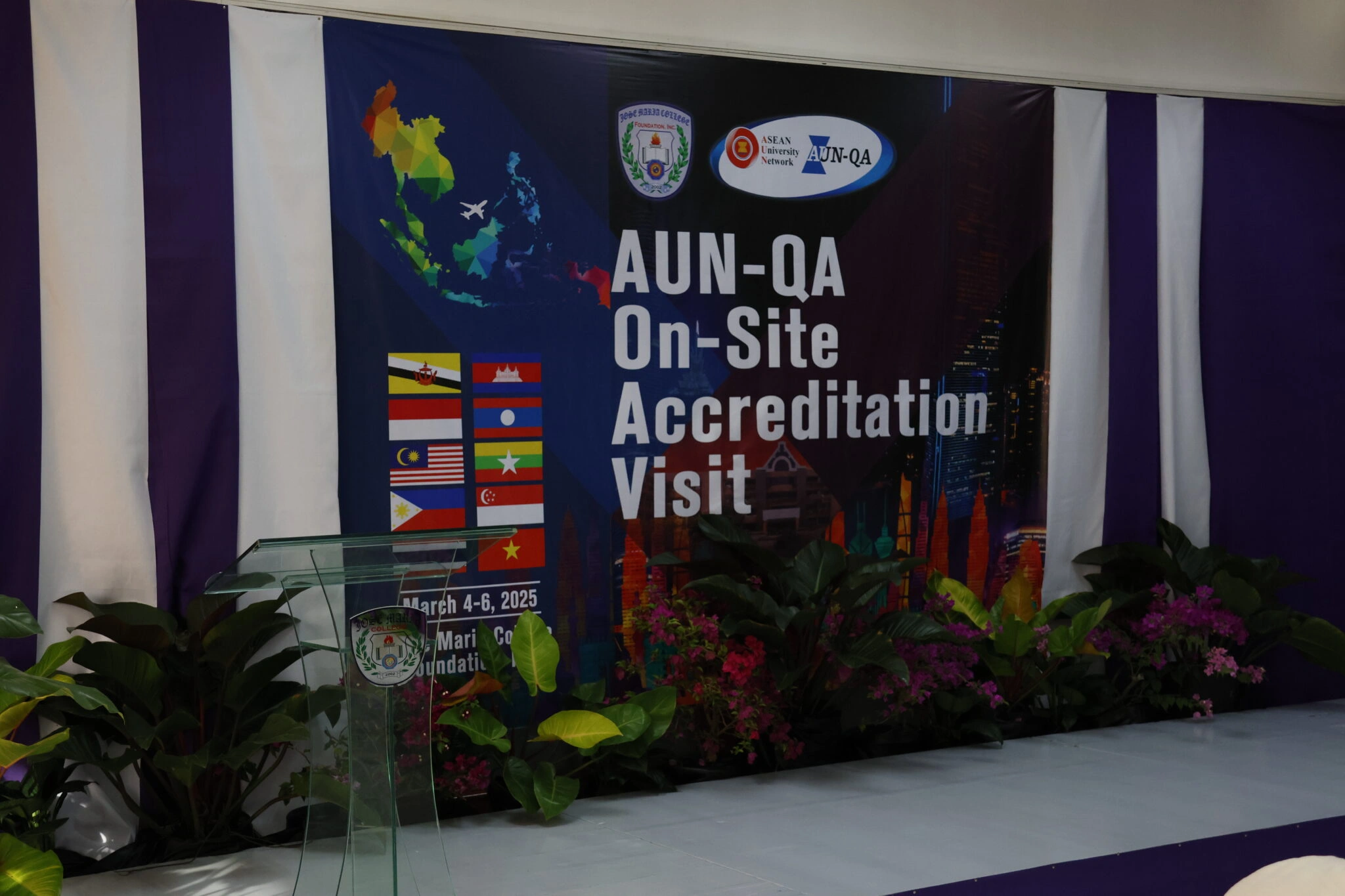
Yet institutions also earn respect through stories that reveal their purpose.
The story of Jose Maria College Foundation is, at its heart, the story of hope expressed through education.
It is the story of an institution that believes learning should empower individuals to rise above limitations.
It is the story of educators who continue investing in young people despite changing times.
It is the story of students whose aspirations become opportunities through education.
And ultimately, it is the story of a school that reminds us of one enduring truth:
Buildings may define a campus.
Programs may define a curriculum.
Achievements may define a generation.
But it is purpose that defines an institution.
As the world continues searching for educational models capable of preparing competent professionals while nurturing responsible citizens, stories like that of Jose Maria College Foundation invite us to remember why schools exist in the first place.
Not merely to confer degrees.
But to cultivate hope.
For where hope is educated, communities flourish, nations grow stronger, and futures are transformed—one student at a time.

Amaris Sylva is an educator, researcher, and writer whose work explores the intersection of education, psychology, communication, and emerging technologies. With a particular interest in language learning, learner development, and educational innovation, she writes to bridge academic research with everyday teaching practice, making complex ideas accessible to educators, students, and lifelong learners.
Her writing is guided by a simple belief: education is not merely about acquiring knowledge—it is about developing the confidence, capability, and character to use that knowledge meaningfully. Through thoughtful analysis and reflective storytelling, she examines how learners grow, how teachers inspire, and how education can remain deeply human in an increasingly digital world.
Amaris' scholarly interests include English language education, self-efficacy, learner agency, artificial intelligence in education, educational psychology, student formation, and higher education leadership. She is particularly interested in how learners develop the confidence to communicate, think critically, and navigate the opportunities and challenges of a rapidly changing world.
As an educator, she advocates for classrooms that cultivate curiosity, resilience, and independent thinking. Rather than viewing artificial intelligence as a replacement for learning, she believes it should serve as a catalyst for deeper understanding, authentic communication, and lifelong learning.
Her essays combine academic rigor with practical insight, inviting readers to reflect not only on what they teach or learn, but why education continues to matter. Drawing from contemporary research while remaining grounded in real educational experiences, she seeks to contribute to meaningful conversations about the future of learning.
Under the name Amaris Sylva, she writes for educators, researchers, school leaders, and anyone who believes that education has the power to transform both individuals and society.